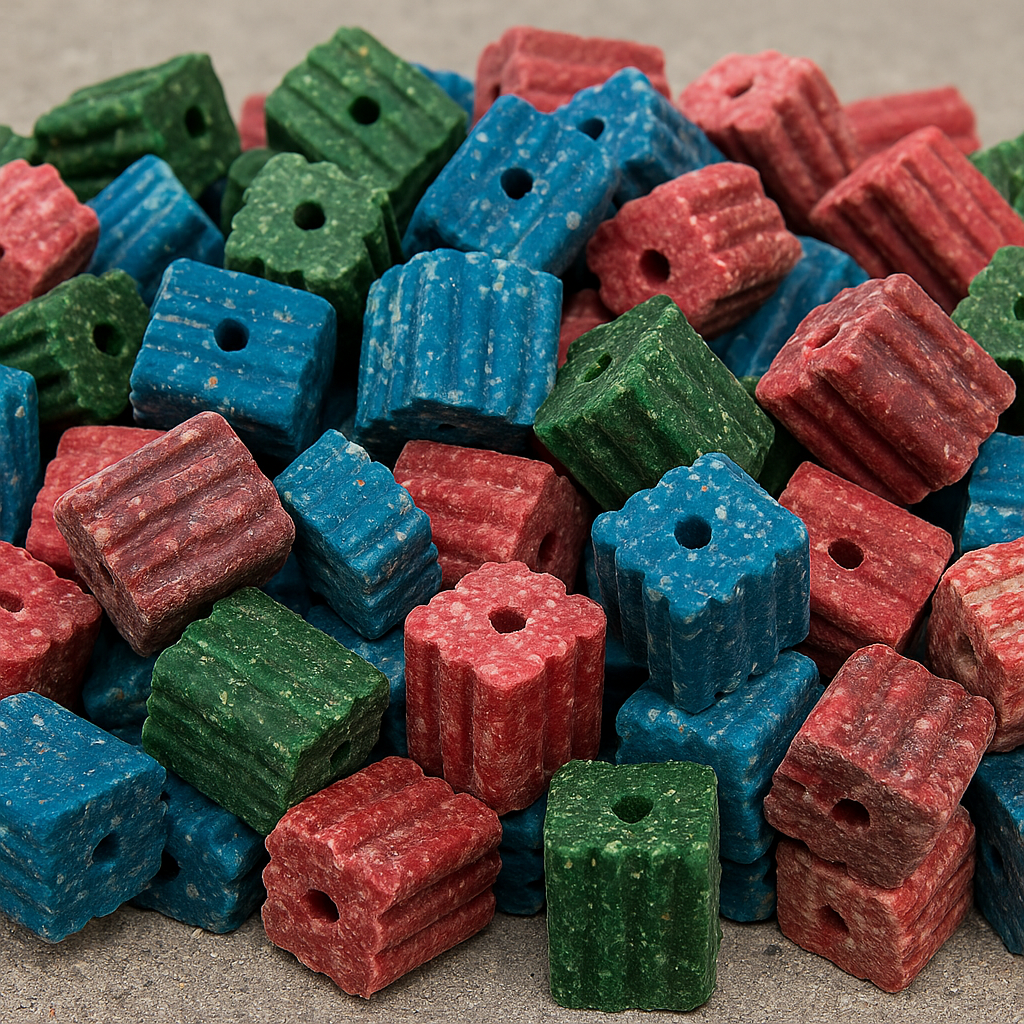
The main difference is the formulation: the Canadian products referenced here use diphacinone (Tomcat), bromadiolone (Hawk), brodifacoum (Jaguar50) and bromethalin (Rampage Water-Resistant Blox). A brand name alone does not tell you where a product may be used or who may use it.
Start with the exact Canadian label, then compare the package and equipment. This guide helps you ask the right questions; it is not an application-rate or bait-placement guide.
Updated October 21, 2026 · Rodenticide Canada · Manufacturer documentation and Health Canada sources linked below.
Canadian formulation comparison
| Product reference | Active ingredient | Document reference | What to check |
|---|---|---|---|
| Tomcat All-Weather Bait Chunx | Diphacinone 0.005% First-generation anticoagulant |
Canadian registration 22462 | Match the current Canadian label and actual package. Review permitted users and sites. |
| Hawk All-Weather Bait Chunx | Bromadiolone 0.005% Second-generation anticoagulant |
Canadian registration 26595 | Match the current Canadian label and actual package. Review permitted users and sites. |
| Jaguar50 Bait Chunx | Brodifacoum 0.005% Second-generation anticoagulant |
Canadian registration 26673 | Match the current Canadian label and actual package. Review permitted users and sites. |
| Rampage Water-Resistant Blox | Bromethalin Non-anticoagulant |
Motomco Canadian product reference 72240 | The manufacturer's Canadian page lists a 1.9 kg pail. Do not carry over directions from another Rampage format. |
Registration references above come from the linked Canadian documents. They are lookup aids, not confirmation of the registration status or identity of every package sold under a similar brand. Search the number in Health Canada's current label database and compare the result with the container.
What the differences mean when comparing products
Tomcat: Motomco describes the cited diphacinone formulation as a multiple-feed bait. Tomcat is also used as a brand for other products, so check the active ingredient rather than relying on the name or pail colour.
Hawk: the cited Canadian formulation contains bromadiolone. Its Canadian specimen label specifies agricultural buildings and structures. Do not extend a site's permitted uses from a different product or a US listing.
Jaguar: Motomco's Canadian reference is Jaguar50 Bait Chunx, containing brodifacoum. Match the registration reference as well as the name when requesting documentation.
Rampage: the Canadian product page describes Water-Resistant Blox with bromethalin. This is a different active ingredient and format; it is not interchangeable with anticoagulant instructions.
“Single-feed” is not a promise of immediate elimination. The amount consumed, access to alternative food and the wider control programme can affect results. Do not select a product solely by a claim that it is stronger or faster.
Who may use a commercial rodenticide?
Health Canada's commercial rodenticide guidance identifies certified pest control operators, farmers and people authorized under government-approved pest-control programmes as permitted user groups. The exact label and applicable provincial requirements still govern the specific purchase and use. Owning a home or business does not, by itself, establish eligibility.
Read our Canadian labels and regulations guide before choosing a pesticide. If eligibility or a permitted site is unclear, ask the relevant regulator or a qualified pest-management professional.
A useful comparison starts before bait selection
- Record the problem. Note the suspected rodent, the location and evidence of activity.
- Address access and food. Review entry points, food storage, waste and clutter using our inspection checklist.
- Consider physical control. Match traps to the target rodent and follow their manufacturer instructions. Health Canada's rats and mice guide explains prevention and control options.
- Check the pesticide label. Identify the exact Canadian product, user group, pest and location before comparing pack sizes.
- Check the equipment and order. Confirm station suitability, included accessories and delivery details with our buying guide.
Bait, bait station and trap are different items
A bait station holds bait and helps limit access. A trap captures or kills the target rodent. A rodenticide is the pesticide itself. A station does not make a commercial bait suitable for every purchaser or setting. Check each item's specifications in traps and stations.
Questions to send before ordering
Include the product link, your province, property type, intended user and target rodent. Ask: “Which Canadian registration number applies to this package? Can you provide the current label? What is included, and which station specifications must I confirm?” Contact Rodenticide Canada for product documentation.
Sources and review method
We compared Canadian manufacturer product pages and safety data sheets, then linked Health Canada's label lookup and guidance. We did not perform a comparative efficacy trial or verify an individual customer's eligibility. Current product labels take precedence over summaries.
- Motomco Canadian Tomcat information; Tomcat All-Weather Bait Chunx Canadian SDS, registration 22462; Canadian specimen label.
- Motomco Canadian Hawk information; Hawk All-Weather Bait Chunx Canadian SDS, registration 26595; Canadian specimen label.
- Motomco Canadian Jaguar information; Jaguar50 Bait Chunx Canadian SDS, registration 26673.
- Motomco Canadian Rampage Water-Resistant Blox information.
- Health Canada: commercial rodenticide bait-station requirements and pesticide label search.
- Health Canada: rats and mice.
For seasonal preparation, read Fall Rodent Prevention in Canada. To share this comparison, link to this page so readers can reach the sources and review date.
Share:
2025 Guide: How to Choose the Right Rodenticide in Canada — For Commercial & Residential Use
Rodent Control in Canada